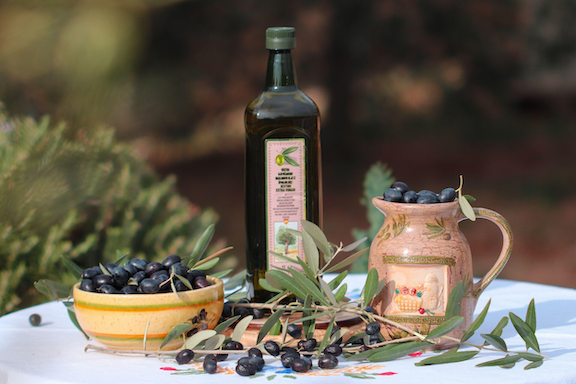
Best Olive Oil for Health: What to Buy at the Store
Walking down the olive oil aisle can feel like speed-dating with a hundred “premium” labels. If you’re trying to buy the best olive oil for health, you don’t need to be a sommelier or memorize Italian regions. You need a few green flags: the right grade (extra virgin), freshness clues, packaging that protects the oil, and labels that actually mean something.
I’ve tested a lot of bottles over the years. The biggest surprise for most home cooks is this: the “best” olive oil often tastes a little bold, even peppery. That bite is usually a good sign, it’s the polyphenols (healthy antioxidants) letting you know they’re in there!
Key Takeaways
- Choose extra virgin first. It’s the grade most associated with higher antioxidants and polyphenols in olive oil.
- Look for a harvest date and aim for within 12–18 months (or a “best by” that implies freshness).
- Pick dark glass or metal tins. Clear plastic is a fast track to stale oil.
- Seek credible third-party organizations, like the North American Olive Oil Association (NAOOA) and be skeptical of vague “imported” prestige cues.
- Fresh, high-quality olive oil often tastes grassy, bitter, and peppery. A lack of flavor or extra greasiness can mean it’s old or low-quality.
- Use olive oil for dressings and low-to-medium heat; for very high heat, other oils are a better fit.
What Makes an Olive Oil Healthy?
“Healthy” olive oil is mostly about two things:
- Fat profile: Olive oil is rich in unsaturated fat, which is a heart-healthy swap for saturated fats. Making the switch from saturated to unsaturated fats can improve aspects of health, including inflammation, heart, metabolic, insulin resistance, and more.
- Protective compounds: The standout extra virgin olive oil (EVOO) benefits come from plant compounds like polyphenols (antioxidants) and molecules like oleocanthal (that throat “sting” in peppery oils).
The catch: these compounds are sensitive. Time, heat, light, and oxygen all degrade them. In other words, the more olive oil is exposed to these factors, the greater the loss of health benefits and flavor quality. So the best olive oil for health is EVOO that’s been produced well and kept fresh.
Key Components: Extra Virgin, Cold-Pressed, Organic
1) Extra virgin: the non-negotiable
- Extra virgin* is the highest quality grade. It’s made without chemical or heat refining that lessen the nutritional quality and health benefits. And it meets specific sensory and nutrient standards. Because it’s less processed, it retains more of the natural antioxidant **polyphenols** compared to other grades of olive oils.
Practical tip: if your goal is health, don’t buy “light” or “pure” olive oil. “Light” means less flavor, color, and aroma; not fewer calories. “Pure” means a blend of EVOO and refined olive oil.
For standards language, you can reference International Olive Council (IOC) Standards. The IOC is the authority on the global standards for olive oil.
2) Cold-pressed: a redundant marketing tactic
“Cold-pressed” on a label is a marketing ploy, not a regulated term in the United States. It’s even redundant if you’re buying EVOO, since processing without heat is a requirement. International standards require that any olive oil labeled with “virgin” follow temperature guidelines that do not alter the components of the oil.
- Traditionally, “cold-pressed” referred to pressing olives with a hydraulic press without added heat.
- Modern high-quality oils are usually mechanically extracted with centrifuges.
Shopping shortcut: don’t stress over cold-pressed. Prioritize extra virgin + harvest date + good container + credible seal.
3) Organic: what it can and cannot guarantee
Organic labeling can be valuable, but it answers a different question: how the olives were grown, not necessarily whether the oil is fresh, flavorful, or nutrient-rich.
- USDA Organic generally speaks to pesticide and fertilizer rules and certification practices.
- EU Organic is similar in spirit, with its own certification framework.
There is not a clear-cut answer as to whether organic vs. non-organic olive oil has more polyphenols and a healthier fat profile.
What organic does not guarantee:
- Higher polyphenol content
- Healthier fat profile
- Superior taste
- Protection from oxidation
- Freedom from adulteration
Ways you can guarantee more polyphenols in your olive oil:
- Buy EVOO
- More recent harvest date
- Store oil in a cool, dark place
- Use oil within 2-3 months of opening (even better if used within 4-6 weeks)
I buy organic when the price jump is reasonable and the bottle still checks the “freshness + packaging” boxes.
Certifications & Seals That Actually Matter
Certifications won’t replace freshness cues, but they can lower your odds of buying something mislabeled.
Seals worth recognizing
- North American Olive Oil Association (NAOOA) Seal Program: a quality monitoring program for many brands sold in North America. Useful when you’re staring at mid-priced grocery-store options.
- International Olive Council (IOC) alignment and standards language: not exactly a “seal” you’ll see clearly on every bottle, but brands that reference recognized standards and provide traceability details tend to be more serious. If the NAOOA seal is on the label, it means the olive oil meets IOC standards for purity and quality.
- You may also see regional certification programs: for example, California Olive Oil Council (COOC) seals. These can be meaningful, but still check for harvest date and packaging.
Labels that are often meaningless (or easy to fake)
- “Premium,” “superior,” “first press,” “imported,” “hand-selected,” “estate” without traceability
- A pretty Italian flag when the olives may come from multiple countries
- “Bottled in Italy” (bottling location is not the same as where olives were grown)
If a bottle is asking for top-shelf money, it should offer top-shelf transparency: harvest date, region, producer info, and ideally a quality program.
Selecting Olive Oil: Container Type, Aroma, Flavor, Color
Container type: your easiest win
Light and heat are enemies of freshness.
- Best: dark glass or metal tins
- Worst: clear glass or plastic kept in bright light
Aroma: what to expect
When you open a bottle, smell for fresh notes:
- cut grass
- tomato leaf or artichoke
- fruity
- nutty
If it smells like crayons, stale nuts, cardboard or just “oil,” it may be old or poorly stored.
Flavor: bitterness and pepper can be a good sign
- A little bitterness and a peppery throat tickle correlate with freshness and polyphenols.
- Bitter: not a flaw; it’s common in fresher oils and certain olive varieties
- Peppery: that “cough” or throat bite is often linked with phenolic compounds like oleocanthal
- Flavorless/greasy: can suggest age, poor storage, rancidity, or low-quality base oil
EVOO adds great flavor to salads, veggies, and as a finishing oil.
Color: ignore it (mostly)
Color is a weak indicator. Great EVOO can be golden or greenish. Some producers even taste from dark glasses so color doesn’t bias judging.
Regional Considerations & Harvest Dating
Harvest date beats “best by”
If you can find it, harvest date is your north star. Best by can be set generously and doesn’t tell you when the olives were actually picked.
A simple heuristic that works in grocery stores:
- Choose harvest date within **12–18 months** when possible.
- If there’s no harvest date, pick the newest “best by” date and buy from a store with high turnover.
Country and region: useful, but not a guarantee
Spain, Italy, Greece, Tunisia, Turkey, Portugal, and California can all produce excellent EVOO. Region can hint at style, but transparency matters more than nationality. I’d take a clearly dated, well-packaged Spanish EVOO over an undated “Product of Italy” bottle any day.
Adulteration, the Mob, and Modern Food Fraud
Olive oil has a long history of being altered because it’s valuable, widely consumed, and not easy for consumers to verify.
The dramatic version you’ve probably heard about includes organized crime involvement in parts of Italy’s olive oil trade. While those stories can get sensationalized, the underlying issue is real: olive oil adulteration has been a recurring problem globally, from dilution with cheaper oils to mislabeling grades.
This is why seals and credible oversight can matter. UC Davis has published work highlighting mismatches between labeling and quality in retail settings, and they remain a solid resource for understanding the problem without the drama.
Seals such as NAOOA test olive oils for quality and purity. NAOOA uses popular olive oil brands found in North American supermarkets, and has been running these tests for the past 20 years. NAOOA tests only those brands which seek its certification: Of the 200 samples NAOOA tested, 98% were authentic, unadulterated olive oil. We had a hard time finding a comparable, truly random sample.
Bottom line: you’re not being paranoid if you shop like a skeptic. You’re being practical. Select olive oils with credible seals to minimize the risk of adulterated olive oil.
Health Benefits: Cholesterol, Anti-Inflammatory Effects, Polyphenols
If you’re buying the best olive oil for health, you’re usually aiming for a few outcomes.
Cholesterol and heart markers
Replacing saturated fats (like butter) with monounsaturated fats (like olive oil) is a common dietary strategy for supporting heart health. Many people see improvements in lipid profiles when EVOO becomes a primary fat source, especially in the context of an overall high-quality diet (vegetables, beans, fish, whole grains, fruit).
I’m careful with “miracle” claims here. Olive oil helps most when it replaces something less supportive, not when it’s added on top of everything or guzzled by the gallon. Remember the foundation of healthy nutrition: balance, variety, and moderation.
Anti-inflammatory effects (oleocanthal – a polyphenol)
That peppery “sting” comes from the oleocanthal, a compound studied for anti-inflammatory activity. You don’t need to chase the harshest burn, but if your EVOO has zero bitterness and zero pepper, it may be older or more refined.
Antioxidants and polyphenols
- Polyphenols in olive oil act as antioxidants, and higher-polyphenol oils are often fresher and more pungent. Processing and storage reduce polyphenol levels over time, which is another reason harvest date and packaging matter so much for the best olive oil for health. The polyphenols from EVOO can significantly reduce the risk for chronic diseases by lowering blood pressure, blood sugar, inflammation, and oxidation, and improving cholesterol levels.
How to Use Olive Oil for Maximum Health Benefits
Heat: where EVOO shines (and where to pivot)
EVOO is generally great for:
- low to medium heat cooking*